Tax Fairness
Making sure everyone pays their fair share

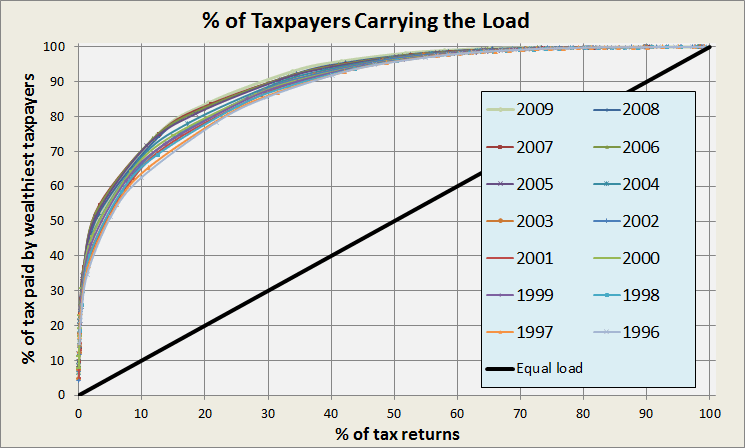
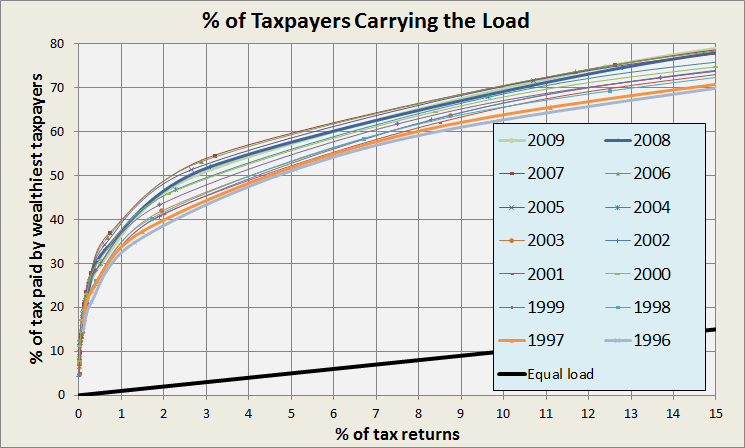
How often do we hear that the rich aren't paying their fair share of taxes, and that tax policy benefits the wealthy to the detriment of the middle class? While I'm not opposed to increasing taxes on the wealthiest Americans as part of a compromise that also includes serious spending cuts, before changing tax rates we should at least know what the current tax load is, and we should consider the impact changes will have on tax revenue and unemployment. In terms of fairness, how many people know that the wealthiest 10% among us already pay over 60% of the federal income tax collected? Our tax policy is already strongly progressive. This is good because it lessens the tax burden on the rest of us. The first graph below shows the fraction of income tax paid by the wealthiest taxpayers from 1996 through 2009 based on IRS data. The black line shows what the distribution would be if each taxpayer contributed an equal share. The second chart zooms in on those 15% of taxpayers having the highest adjusted gross income, and it's clear the wealthiest citizens already pay a large fraction of total Federal income taxes paid. The top 5% pay over 50% of the total, and the wealthiest 1% pay over a third of it. We should be glad for this contribution and encourage more people to become wealthy so they can contribute more too! We should also consider what happens when "The 1%" takes more of their money out of the game. One reason for the sluggish recovery after the 2008 recession was that many with wealth sat on the sidelines and others invested their money overseas instead of here in the United States until tax rates were later cut. This is why tax policy should be important to anyone who cares about the health of the Amercian economy.
We were repeatedly told the rich have been paying less tax due to preferential treatment by the Republican Congress during the Bush years, yet the trends magnified below show that the rich were actually paying an even higher percentage of the total tax burden than they did before the tax cut. The lines for 1996-1997 during the Clinton Boom Years are the lower lines graphed below, while the upper curves are for 2006-2009 where the wealthiest paid an even higher percentage of the total tax burden than they used to.
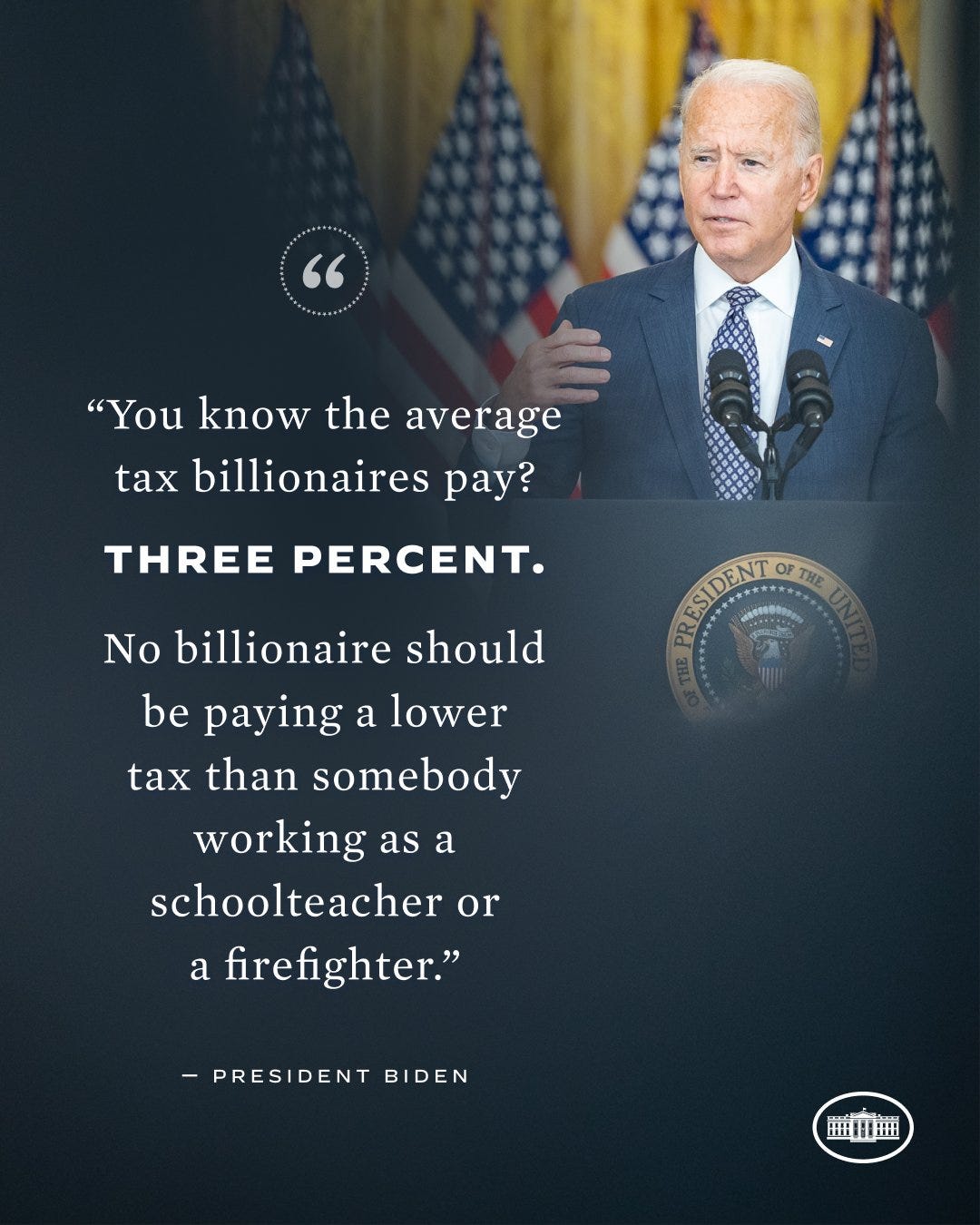
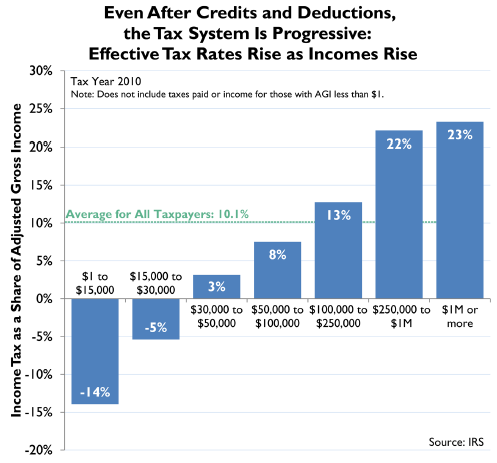
The economy was healthier during the Clinton Boom Years than during the Obama Recovery, and it improved even more after the Trump tax cuts before a global pandemic clobbered countries all over the world. Yet we continue to see Class Envy used for political gain even though the data show the wealthy pay far more tax than any other demographic group. Earlier this year the Biden White House claimed billionaires “only pay 3%” when in fact they pay an effective tax rate of over 20%. Biden’s 3% figure is as a fraction of wealth, much of it unrealized. Think about what a wealth tax would do to our economy- damage worse even than higher marginal tax rates. To clarify the Effective Tax Rate (ETR) is tax paid divided by total Adjusted Gross Income (AGI) while the marginal tax rate is the tax paid on the last dollar earned, and is always higher than the ETR.
That there are a few billionaires and corporations who don’t pay an ETR of over 20% is due to legal loopholes deliberately written into our complex tax code by our elected officials with encouragement from K Street lobbyists paid by the wealthy. One thing liberals and conservatives should be able to agree on (if we weren’t so easily distracted) is tax simplification, perhaps to a post-card sized tax return as they have in the UK; sadly special interest subgroups for each and every loophole (whether deduction, credit, or whatever) have prevented that. Even so, we already have a strongly progressive system on a percentage basis and especially on a dollar basis, where 23% of one million is a $230,000 tax bill.
It's true that the wealthy can afford to pay even more tax than the graphs above show. And I suppose it's human nature to feel envy toward those who are well off. There are obviously many more of us than them, so we can easily impose higher marginal tax rates on them, yet we should be aware of the impact of higher taxes on employment, since many of the wealthiest taxpayers are small business owners who are responsible for hiring and firing, which depends on their balance sheets. The brilliant economist Thomas Sowell (along with many other economists) pointed out that higher tax rates often DO NOT lead to higher tax revenue and more recently commented on Stephen Moore's excellent book "Who's The Fairest of Them All." Way back in 1962 President Kennedy advocated for tax cuts that stimulated a robust period of free-market economic growth. More information on the impact of tax rates on our economy is available from the Tax Foundation, although the short parable about ten friends who share the cost of dinner is revealing on a more everyday level.
The simple fact is that if the wealthy take their money out of the economy (or move it overseas), the rest of us have a higher burden (and greater debt to be passed on to our children and grandchildren). In the “Ten Friends Share Dinner” story, for 90% of them the road to Rome was paved with good intentions, yet it did not lead to a good outcome since the majority of them were consuming more than they could collectively afford after what Occupy Wall Street derisively called "The 1%" left the table. The wealthy have many choices for how/where to invest their money and if we (the 99%) are smart, we should be aware of that as we judge "fairness" and as we set policy.
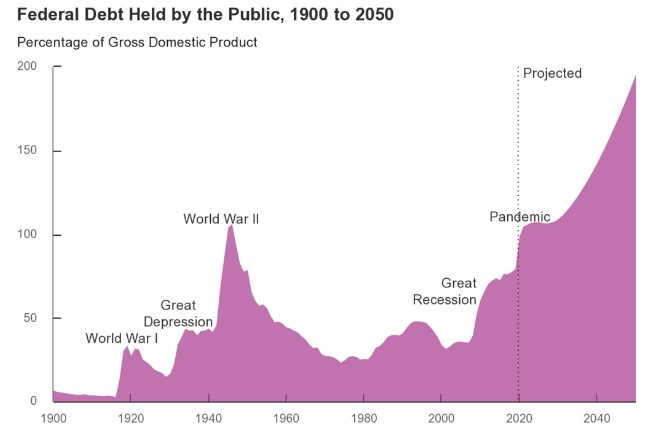
That said, logic doesn't count for much these days and fiscal conservatives might be wise to allow the left to increase effective tax rates on the wealthy by eliminating some of the special carve-outs in order to lessen the impact of the class warfare issue since the Democrats in Congress and the President have unjustly used it to obscure the real issue that needs to be addressed, which is our runaway spending. The future impact of our growing national debt threatens to be far more catastrophic than climate change yet is largely ignored as we repeatedly kick the can down the road much to the detriment of our children and grandchildren.
note- this post was adapted from a 2012 blog with similar content. Not much has changed…
NOTE ADDED 19.Feb.2026
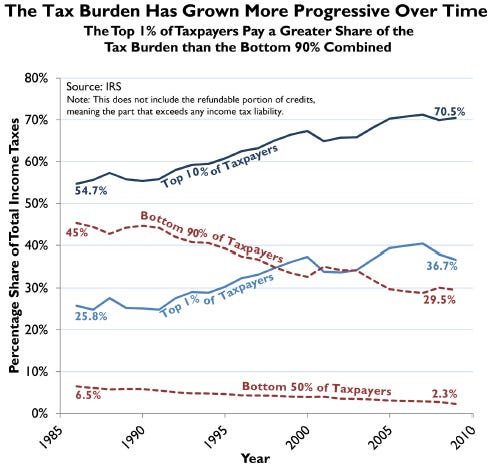
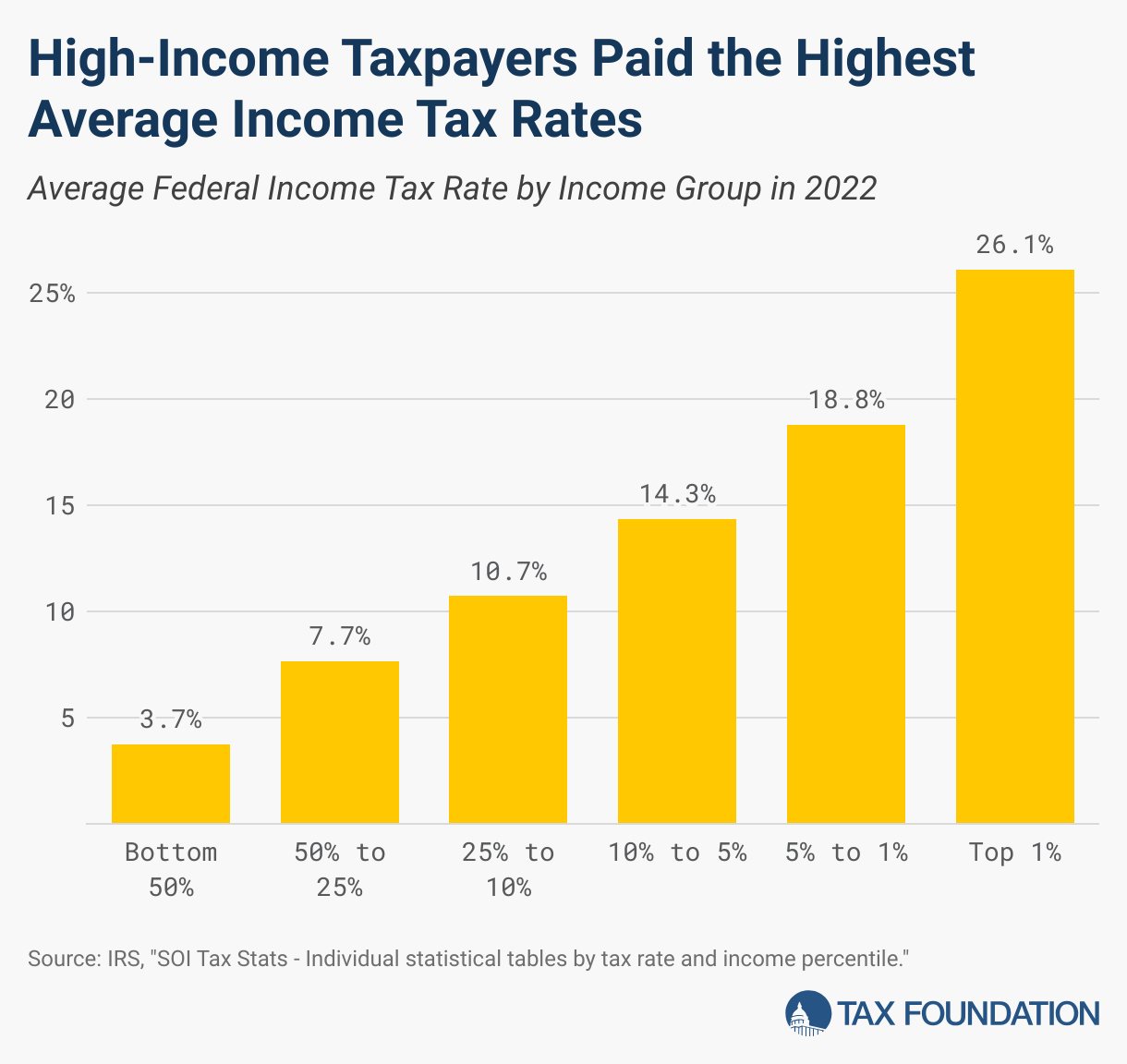
The prevailing narrative promoted by the left is that the rich don’t pay their fair share and conservatives are making our tax policy more unfair to the lower and middle classes. Yet updating the 2010 tax rates shown above reveal the wealthiest taxpayers paid an even higher Effective Tax Rate in 2022 after the Trump tax cuts, and pay an even larger share of the total tax burden than they did 12 years ago.
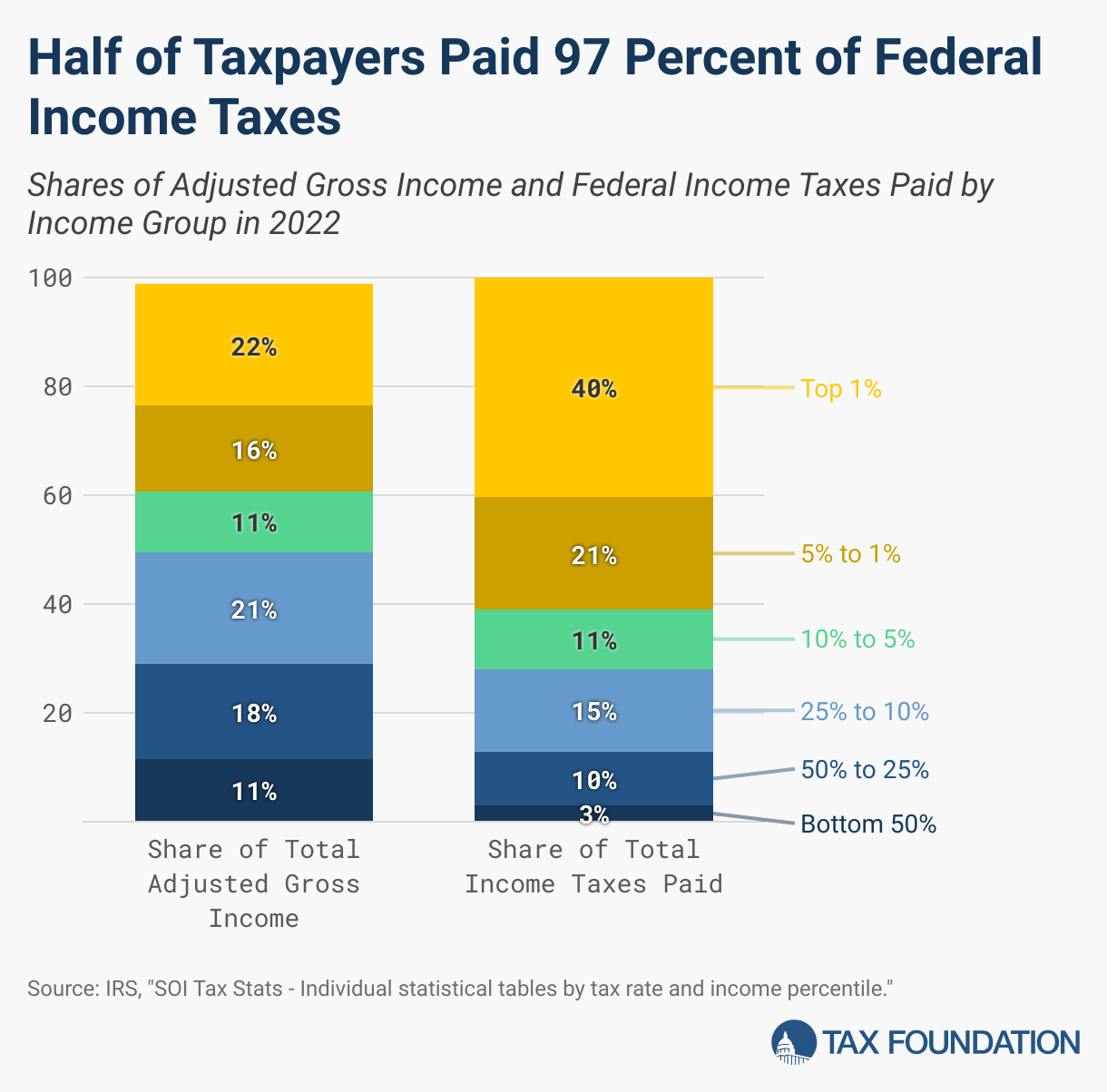
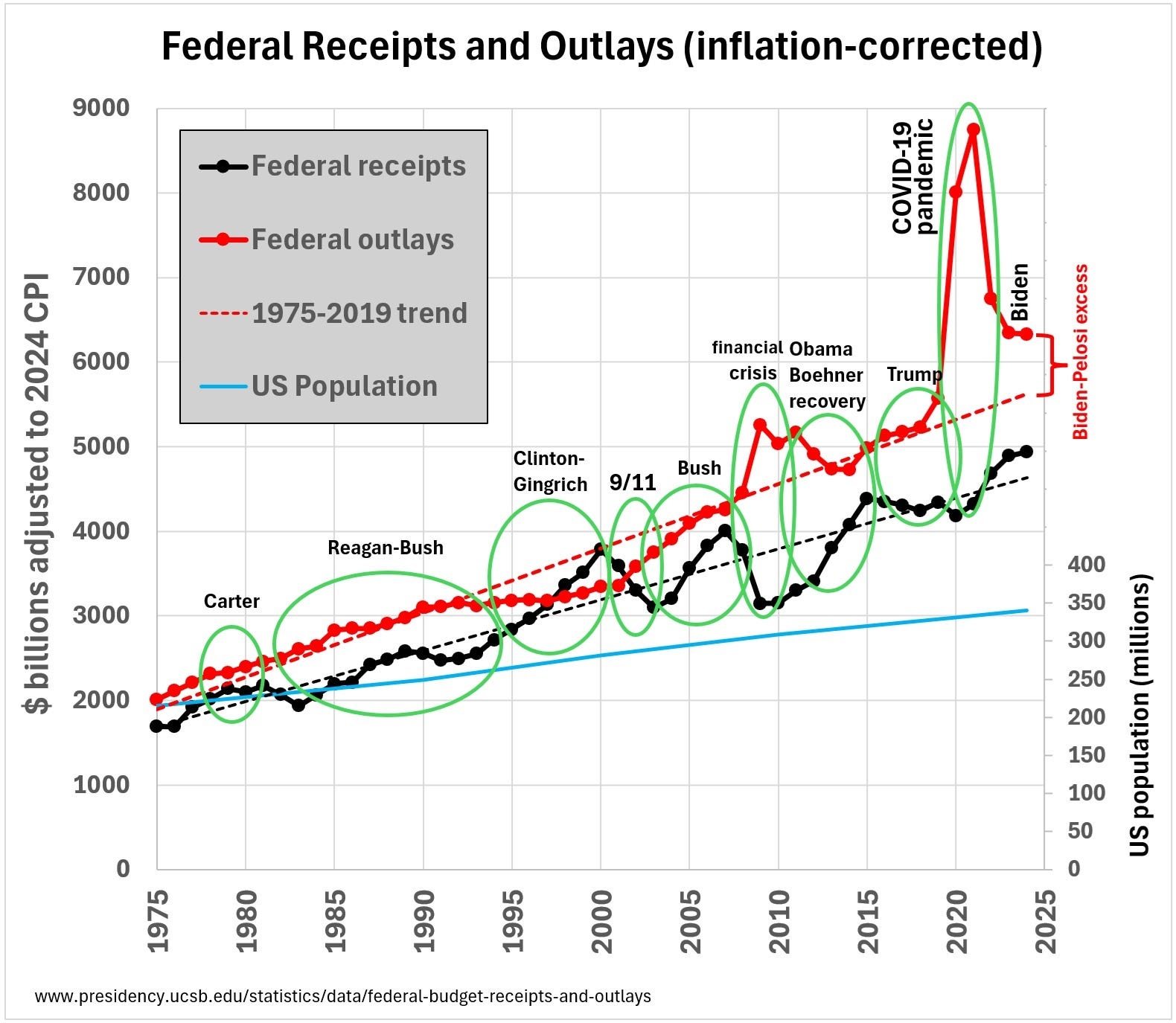
Looking at US taxation and spending trends (inflation adjusted) where annual deficits year after year no (matter who’s in power except for the Clinton/Gingrich years) continue to add to our unsustainable national debt, we see revenue increasing faster than population growth, yet spending is increasing even faster than that. We have a spending problem. For those who believe our spending is justified, then we need higher taxes across all demographics. Increasing taxes only on the wealthy who already pay most would have the same impact as the famous story of ten people who went to dinner and shared the bill.